


If you have spent any time recently hiking the trails at Lake Fayetteville or watching your little ones run through the grass at Gulley Park, you know that Northwest Arkansas is in the middle of a beautiful, humid summer. But this year, the warm and wet spring has brought a hidden guest to our backyards earlier than usual: the Lone Star tick.
While most parents worry about Lyme disease, there is a new "secret" hazard every NWA family needs to have on their radar. It is called Alpha-Gal Syndrome (AGS), and it is changing the way we look at summer cookouts and backyard play.
At Best Start Pediatrics, we want you to feel empowered, not overwhelmed. Here is everything you need to know to keep your kids safe and healthy during this record-breaking tick season.
What Exactly is Alpha-Gal?
Alpha-gal (galactose-alpha-1,3-galactose) is a sugar molecule found in most mammals: think beef, pork, lamb, and even venison. Humans don’t have this sugar naturally.
When a Lone Star tick bites your child, it can "program" their immune system to see this sugar as a threat. The result? A serious, sometimes life-threatening allergy to mammalian meat and products.
The "Arkansas Connection": Why We Are Ground Zero
You might be wondering why you are hearing so much about this lately. The truth is, our corner of the Ozarks is a major hotspot. According to recent CDC data from July 2026, Arkansas now has the highest alpha-gal seroprevalence in the United States at 31.2%.
The numbers are staggering: cases in Arkansas have surged from just 304 in 2023 to nearly 3,800 in 2025. Because the Lone Star tick thrives in our wooded neighborhoods and trail systems, Northwest Arkansas parents need to be extra vigilant.
The "Midnight Mystery": Why Symptoms are Hard to Spot
One of the biggest challenges with Alpha-Gal Syndrome is that it doesn't act like a typical food allergy. If your child is allergic to peanuts, they usually react within minutes. With alpha-gal, the reaction is delayed by 2 to 10 hours.
Imagine this: Your family enjoys a burger for dinner at 6:00 PM. Your child goes to bed feeling fine, but then wakes up at 2:00 AM with stomach pain, hives, or trouble breathing. Because of that long delay, many parents don't realize the meat they ate hours ago is the culprit.
Common Symptoms to Watch For:
- Hives, itchy rashes, or "flushed" skin.
- Severe stomach pain, nausea, vomiting, or diarrhea.
- Swelling of the lips, face, or tongue.
- Coughing or wheezing (Anaphylaxis occurs in up to 60% of cases).
If your child is experiencing unexplained "stomach issues" or middle-of-the-night rashes, it may be time to look into pediatric allergy testing in Arkansas.

Alpha-Gal by Age Group
The way Alpha-Gal Syndrome shows up can depend on how old your child is.
- Infants and Toddlers: They might be unusually fussy, experience sudden "projectile" vomiting hours after a meal containing dairy or beef broth or develop a mysterious diaper rash that looks more like hives.
- School-Aged Kids: These children often complain of "burning" in their stomach or intense itching. They might wake up in the night feeling scared or breathless.
- Teens: Adolescents may experience more traditional allergic reactions, but they are also at higher risk if they spend a lot of time outdoors for sports or hiking without using proper tick protection.
How to Protect Your Family This Summer
Prevention is the only "cure" we currently have for Alpha-Gal Syndrome. Take a walk and enjoy the Ozarks, but follow these steps to keep the ticks at bay:
- Gear Up: Use EPA-registered repellents containing DEET or picaridin on skin and consider treating outdoor clothes with permethrin.
- Stick to the Center: When hiking at Lake Fayetteville, stay in the middle of the trail to avoid brushing against tall grass or shrubs where ticks wait.
- The "Golden Minute" Tick Check: As soon as you come inside, do a full-body tick check. Look in the "warm spots": behind the ears, in the hair, under the arms, and behind the knees.
- Dry It Out: Toss outdoor clothes in the dryer on high heat for 10 minutes to kill any hitchhiking ticks you might have missed.

When to Call Best Start Pediatrics
If you find a tick on your child, stay calm. Use fine-tipped tweezers to grasp the tick as close to the skin as possible and pull straight up.
If you notice a rash, fever, or if your child starts having strange reactions to food, we are here to help and our dedicated team specialize in providing the personal pediatric care Northwest Arkansas families deserve.
We know that waiting for answers is the hardest part for a parent. That’s why we offer:
- Same-day sick visits for urgent concerns.
- A dedicated text line for quick questions so you can get peace of mind without the hold music.
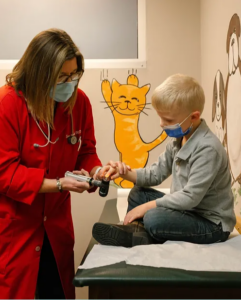
- Themed exam rooms with fun murals to help your child feel relaxed and safe during their check-up.
Whether it’s a tick bite or a sudden tummy ache, we treat your children like our own.
Remember:
- Alpha-gal is a delayed allergy; symptoms often appear 2-10 hours after eating.
- The Lone Star tick is the primary cause in our area.
- Arkansas has the highest rate of alpha-gal in the country as of 2026.
- Wash your hands after handling raw meat and conduct tick checks every single day.
Source:
CDC Morbidity and Mortality Weekly Report (MMWR), July 2026.
Arkansas Department of Health Tick-Borne Disease Surveillance Update, 2025.